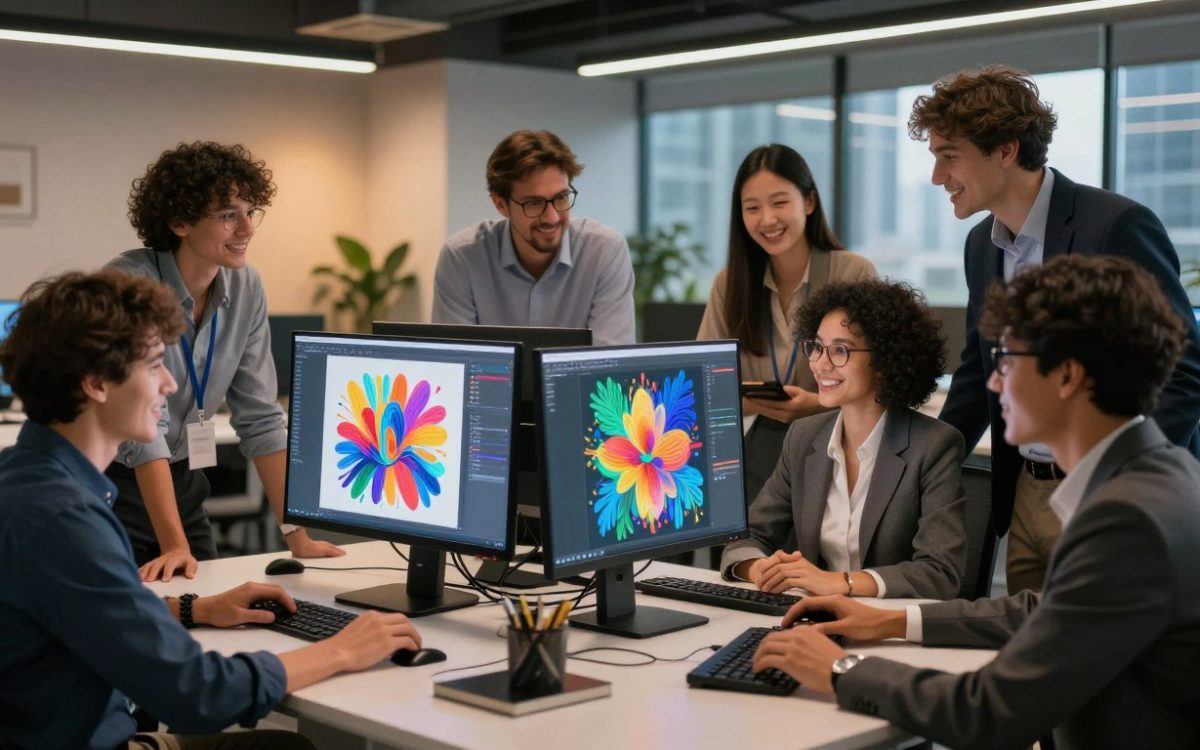
The digital world is changing fast. In 2024, making pictures is different. Now, you can use tools that make breathtaking masterpieces from just a few words.
Finding the Best AI Image Generators is key for your work. These tools help you make lots of pictures fast. They keep your pictures looking great. If you design or market, using these tools will help you win.
Choosing the right tool makes your work pop. By picking the Best AI Image Generators, you get the best pictures. This guide will show you how to pick the best tool for your ideas.
Key Takeaways
- Visual technology has reached a turning point in 2024, making automated tools essential for creators.
- Selecting the correct software is the most important step for achieving professional-grade results.
- Modern platforms allow you to translate complex ideas into high-quality visuals with ease.
- Understanding these tools provides a significant competitive advantage in digital media.
- This guide simplifies the selection process to help you find the right solution for your specific needs.
Understanding the Landscape of AI Image Generation
Creative technology has changed how we make visual content. To use these tools well, you need to understand how they work. Learning the foundational principles helps you know how your ideas will turn into images.
How Diffusion Models Transform Text into Art
Diffusion models are at the center of making images from text. They start by adding random noise to an image until it’s hard to see. Then, they learn to remove this noise, showing a clear image based on your text.
When you give a prompt, the system uses latent space mapping. It finds the right pixels to match your words. This is how top artificial intelligence image creation tools make such great images.
The Evolution of AI-Powered Image Creation Tools
Generative art started with Generative Adversarial Networks, or GANs. These early systems had two neural networks competing to make images. But they had trouble with complex scenes and didn’t offer much nuanced control.
Now, ai-powered image generation software uses big datasets and diffusion techniques. This lets artists be more creative and make images with more detail. Here’s a table showing how these tools have changed:
Feature |
Early GAN Models |
Modern Diffusion Models |
|---|---|---|
Prompt Adherence
|
Limited and rigid
|
Highly precise and flexible
|
Image Quality
|
Often blurry or distorted
|
Photorealistic and detailed
|
User Control
|
Minimal customization
|
Advanced style and composition
|
Complexity
|
Basic shapes and faces
|
HighComplex scenes and textures
|
Selecting the Best AI Image Generators for Your Needs
Finding the right best AI image generators is important. You need to know what you want to achieve. Each tool has its own strengths, from making art to quick designs.
Look at these tools based on what you need. This way, your images will be top-notch. Picking the right tool is key to being good at digital art.
Evaluating Midjourney for Artistic Precision
Midjourney is known for its exceptional artistic flair. It makes detailed, beautiful pictures. It’s great for images that look like they were made by hand.
"Midjourney transforms simple text prompts into breathtaking works of art by prioritizing aesthetic harmony and complex lighting textures."
If you want to make art, illustrations, or fashion pictures, Midjourney is perfect. It helps you make your work look professional. Plus, you can get feedback to improve your style.
Leveraging DALL-E 3 for Ease of Use
DALL-E 3 is great for those who want fast results. It understands complex language well. This makes it easy to use for anyone who likes to talk about their designs.
- Intuitive Interface: Perfect for beginners and professionals alike.
- Prompt Adherence: Excellent at following specific instructions within a prompt.
- Ecosystem Integration: Works effortlessly within the broader OpenAI suite.
Utilizing Stable Diffusion for Customization and Control
Stable Diffusion gives you total control over your images. It’s open-source, so you can change it to fit your needs. You can even use it on your own computer.
This is great for keeping your brand consistent. It’s more challenging to learn, but you can make your images exactly how you want. This is unmatched in the industry.
Platform |
Primary Strength |
Best For |
|---|---|---|
Midjourney
|
Artistic Quality
|
Creative Professionals
|
DALL-E 3
|
Ease of Use
|
Rapid Prototyping
|
Stable Diffusion
|
Technical Control
|
Advanced Customization
|
The best AI image generators help you be creative. Choose based on what you need. Whether it’s Midjourney’s art, DALL-E 3’s ease, or Stable Diffusion’s control, pick what fits your style.
Preparing Your Creative Vision and Prompts
Creating a great image starts with good prompts. When you use ai image maker tools, your prompts tell the model what you want. Learning to write good prompts helps your final image match your vision.
Structuring Effective Text Prompts
Being clear is key when writing prompts. Start by saying what your main subject is. Then, add details that give context. Specificity helps the AI know what you want.
Don’t use complicated sentences. Keep it simple and logical. This helps ai image maker tools understand you better.
Defining Style, Lighting, and Composition
To get professional results, think about more than just the subject. Talk about lighting, camera angles, and composition. This helps the model create the look you want.
Think of these as director’s notes for your digital art. Adding details like time of day or lens type helps. Using these tips with your ai image maker tools makes your work better and faster.
Step-by-Step Guide to Generating High-Quality Visuals
Starting with advanced image generators using ai needs a clear plan. You’ll go from a simple idea to a great visual easily. Keeping your steps the same helps keep your work top-notch.
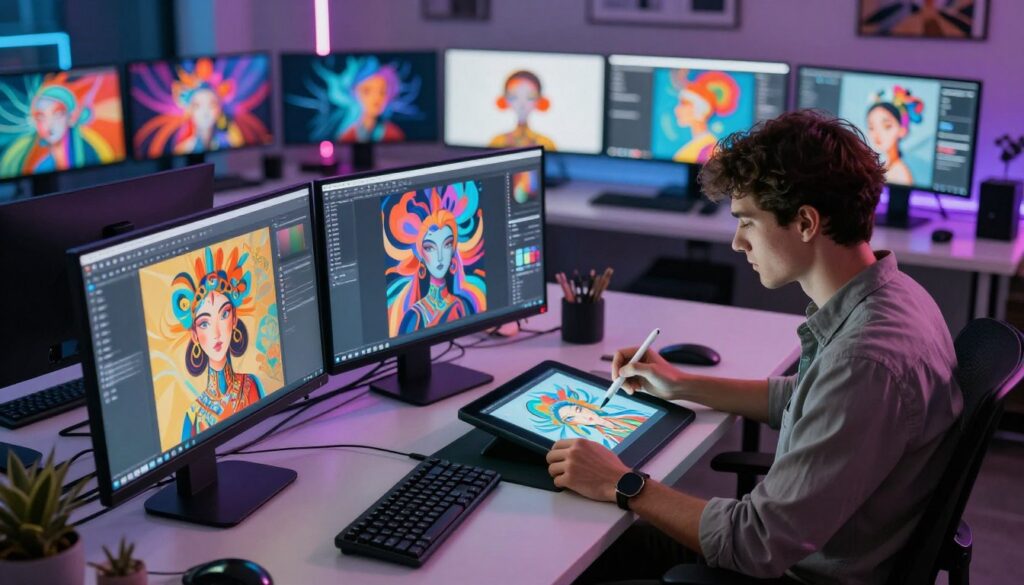
Setting Up Your Account and Workspace
First, make your account on the platform you picked. You’ll need a real email and a strong password. After logging in, get to know the dashboard and settings.
Customizing your workspace makes you work better. Change your default sizes, pick your model, and organize your files. A neat space lets you focus on your art.
Executing Your First Generation Request
With your space set up, it’s time for your first prompt. Write a clear sentence about what you want to see. The best advanced image generators using ai need clear, detailed prompts.
"Creativity is intelligence having fun."
Albert Einstein
After you enter your prompt, click generate. Don’t worry if it’s not perfect at first. It’s a starting point for better versions.
Iterating Through Variations and Upscaling
Improving your image is the fun part. Most tools let you try different versions of your prompt. Pick the one you like best and keep improving.
When you’re happy with it, make it bigger with the upscaling tool. This adds more detail and makes it look professional. Here are some tips for success:
- Analyze the first version for mistakes.
- Modify your prompt for more details.
- Upscale only the best version to save time.
Refining Your Results with Advanced Editing Techniques
After your first image, the real fun starts. The top ai image creation platforms give you a good start. But, you might need to tweak some things to get it just right. Learning how to refine your images lets you control your final product.
Using Inpainting to Modify Specific Image Areas
Inpainting is a cool tool. It lets you selectively regenerate parts of an image. Say you don’t like a small flaw on your AI character’s face. Just mask it and ask the AI to fix it. This way, your image looks perfect.
Applying Outpainting to Expand Your Canvas
Outpainting is great for making your image bigger. It lets the AI add new stuff outside the original picture. This way, you can make your image wider and more epic. Many top platforms offer this feature.
Integrating External Editing Software for Final Touches
Even AI needs a human touch for the last steps. You can use software like Adobe Photoshop for color and lighting tweaks. This hybrid workflow is key for top-notch results.
Technique |
Primary Function |
Best Use Case |
|---|---|---|
Inpainting
|
Local modification
|
Fixing hands, faces, or small errors
|
Outpainting
|
Canvas expansion
|
Creating wide-angle or panoramic views
|
External Editing
|
Color grading and professional compositing
|
Using these advanced techniques makes your work stand out. Consistency and attention to detail are what make your art professional.
Ethical Considerations and Copyright Best Practices
Using artificial intelligence in your work needs careful thought. You must know how it fits with the law. Protecting your professional reputation means being both creative and responsible.
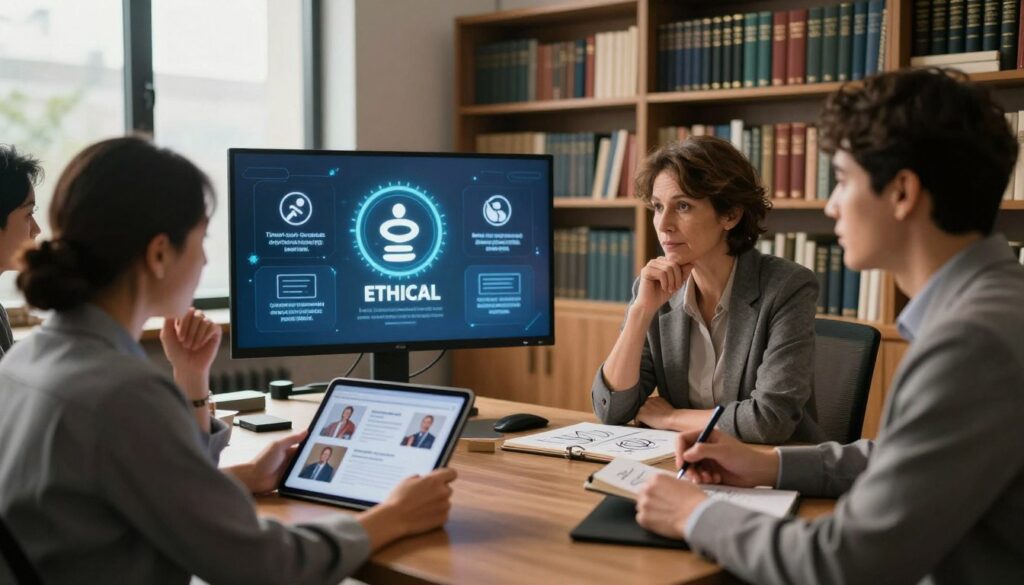
Navigating Intellectual Property Rights
The law on AI-created content is changing fast. In the U.S., some AI works might not get copyright. You should carefully document your creative process to show human input.
Using AI to improve your ideas can help keep your work yours. Always check the terms of service for the tools you use. Staying informed keeps your projects safe and legal.
Maintaining Transparency in AI-Generated Content
Trust is key to success. Being open about AI use in your work is a good practice. Transparency helps manage expectations and shows you value honesty.
Have a clear policy for your projects. This is true for client work or personal art. Acknowledging AI use prevents confusion and meets industry standards. By doing this, you show you respect both tech and human touch in design.
Ethical Practice |
Benefit to Creator |
Impact on Audience |
|---|---|---|
Clear Disclosure
|
Builds long-term trust
|
Increases brand authenticity
|
Copyright Review
|
Protects commercial assets
|
Ensures legal compliance
|
Human Oversight
|
Provides unique value
|
Troubleshooting Common AI Generation Challenges
Even the best ai photo generator apps can sometimes go wrong. They might not get complex images right or struggle with certain tasks. Knowing how to fix these problems can make your work better.
Fixing Distorted Anatomy and Text Errors
Models can mess up body parts, like extra fingers. This happens because they don’t fully get human bodies. To fix this, add details about how things should look in your prompts.
For text, models might get words wrong. If text looks jumbled, try making the area around it simpler. Or use a tool to fix just the text. Being precise with your prompt helps a lot. Sometimes, putting text in quotes helps the AI get it right.
Overcoming Inconsistent Style and Color Palettes
Keeping images looking the same can be hard. If colors or styles change too much, use seed numbers. This keeps the AI’s foundation consistent for all your images.
Using style reference images also helps. It keeps the AI on track with your desired look. Even with the best ai photo generator apps, small tweaks can make a big difference in your work.